The Neighbor Complaint That Opened the File
Every association violation file starts with an initial report. In the case of a fence violation, this usually comes from a neighbor. The complaint is often made by email or through an online portal. Sometimes, it is a phone call or written note to the board or manager. The core of the initial submission is simple: a resident objects to something about the fence on an adjacent or nearby lot.
The most common complaints relate to fence height, style, color, or condition. Sometimes the complaint includes a photo, but often it is just a brief description: "The fence at 123 Oak Lane is six feet tall, which is over the limit." The association manager or a board member logs this outreach as the start of a new violation file. The date, time, complainant's name, and the substance of the issue are recorded. If the governing documents require anonymity, the complainant's identity is protected in subsequent communications.
This first document, the complaint, is important. It establishes the file's opening date and shows the association is responding to a specific concern, not singling out an owner at random. Many state statutes and association declarations require boards to act consistently, and a well-documented complaint is the foundation for that consistency.
Keep reading: What a Two-Hour Community Inspection Drive Actually Covers
First Observation, Measurement and the Courtesy Notice
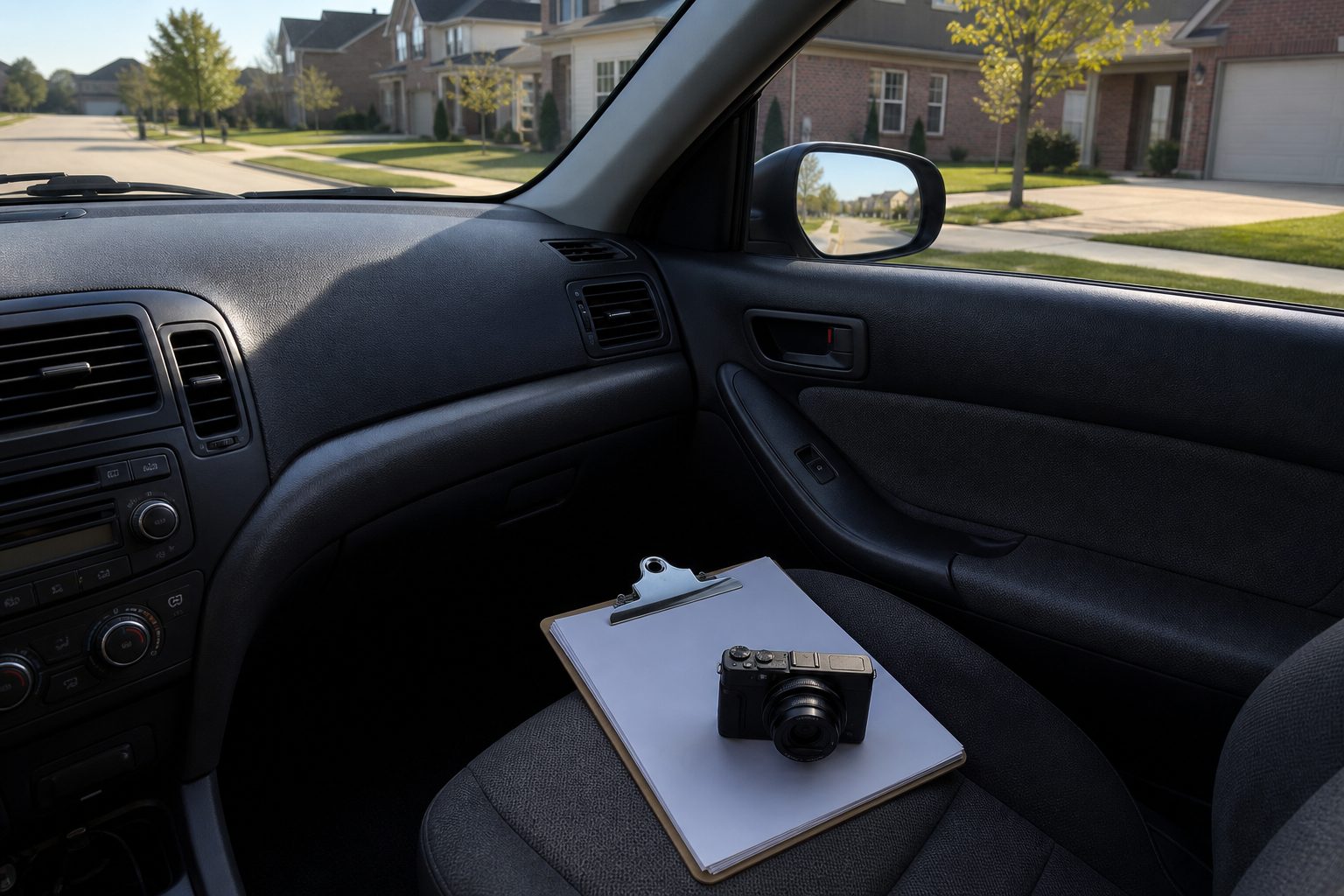
Once the complaint is logged, the association must confirm whether a violation exists. A manager, board member, or committee volunteer visits the property for a firsthand inspection. This observation is ideally conducted within a few days of the initial complaint. The observer starts by reviewing the association's governing documents to check the precise fence requirements: usually height, materials, color, and placement.
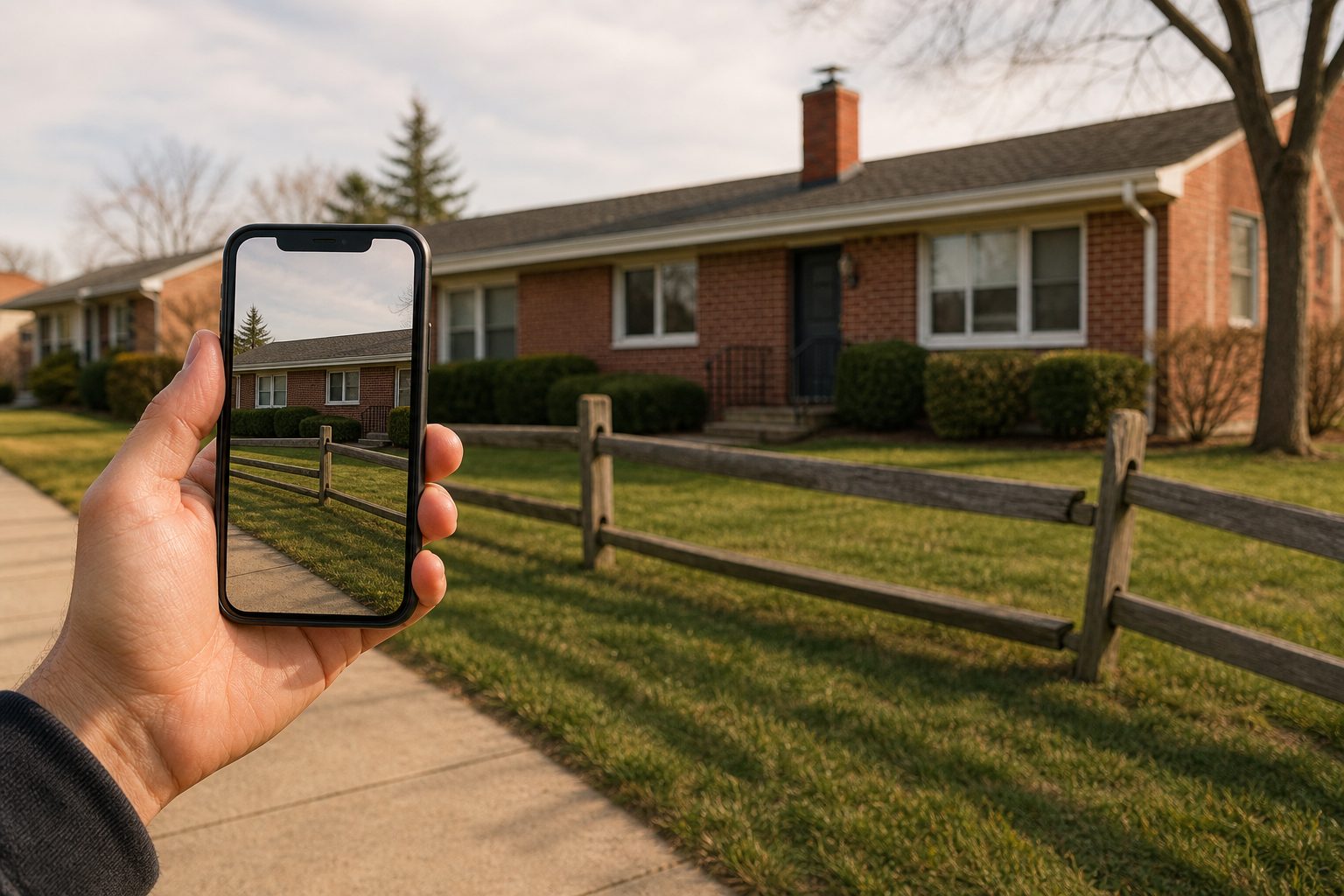
During the site visit, the inspector takes photos of the fence. Measurements are taken with a tape measure or laser tool. Clear documentation is key. If the fence is six feet high and the documents set a five-foot limit, the violation is noted in writing. Sometimes, the problem is less clear, such as peeling paint or broken slats, which are captured in photos for the record.
After confirming the violation, the association drafts a courtesy notice or first violation letter. This document usually includes:
- The date of the inspection.
- The specific section of the governing documents or rules allegedly violated.
- A description of the condition observed.
- One or more photos as evidence, if available.
- A request to correct the violation within a set timeframe, often 10 to 30 days.
The courtesy notice is mailed and sometimes emailed to the owner of record. Many associations use certified mail for proof of delivery, though this is not required everywhere. The letter is logged in the violation file, along with a copy of the envelope and delivery confirmation if available.
At this stage, the association is signaling to the owner that the issue can be resolved informally. Most owners appreciate the chance to cure the problem without penalty or further action.
The Owner Replies and Asks for an Extension
Owners often respond promptly to a courtesy notice. In this case, the homeowner at 123 Oak Lane emails the management company within a week. The owner acknowledges the fence is above the height limit but explains that the fence was installed by a previous owner. They request an extension, stating they need time to get contractor bids and secure approval for removal or modification.
The manager documents this reply in the violation file. If the owner calls instead of writing, a dated call log with the gist of the conversation is added. Transparency in each step is critical, if the owner asks for extra time, the board or manager should note when the request was received and how it was decided.
Many associations grant extensions for good cause. The manager prepares a brief response letter. This letter confirms the new deadline and reminds the owner of the original violation. The extension letter is also added to the file. It is common practice to state that no fines will be imposed as long as the owner meets the new date.
If the owner fails to reply at all, the file reflects this. Lack of communication is itself a data point and will influence future escalation. Every outreach (or lack thereof) is logged with a date and summary.
Keep reading: How to Photograph a Covenant Violation So the File Holds Up
Escalation to a Formal Notice With a Hearing Date
If the owner does not cure the violation within the extension period, or if they ignore the notice entirely, the next step is escalation. The association prepares a formal notice of violation. This notice is often called a "pre-hearing notice" or "notice of intent to fine." Governing documents and state law dictate the required content and timing.
The formal notice:
- Restates the original violation.
- References the previous courtesy notice and any granted extensions.
- Sets a date for a hearing before the board or the compliance committee.
- Explains the owner's right to attend and present evidence.
- States the potential consequences, such as fines or suspension of privileges.
The notice is sent by certified mail and, in some associations, by regular mail as well. The delivery dates are logged in the file. Most states require at least 10 to 14 days' advance notice before a hearing. The hearing date is chosen to allow reasonable time for the owner to prepare.
This document is a turning point. It signals the transition from informal resolution to a process with real consequences. Proper formatting, clear language, and strict adherence to procedures are essential for the association's actions to stand up if challenged.
The Hearing Packet and the Board's Written Decision
Compiling the Hearing Packet
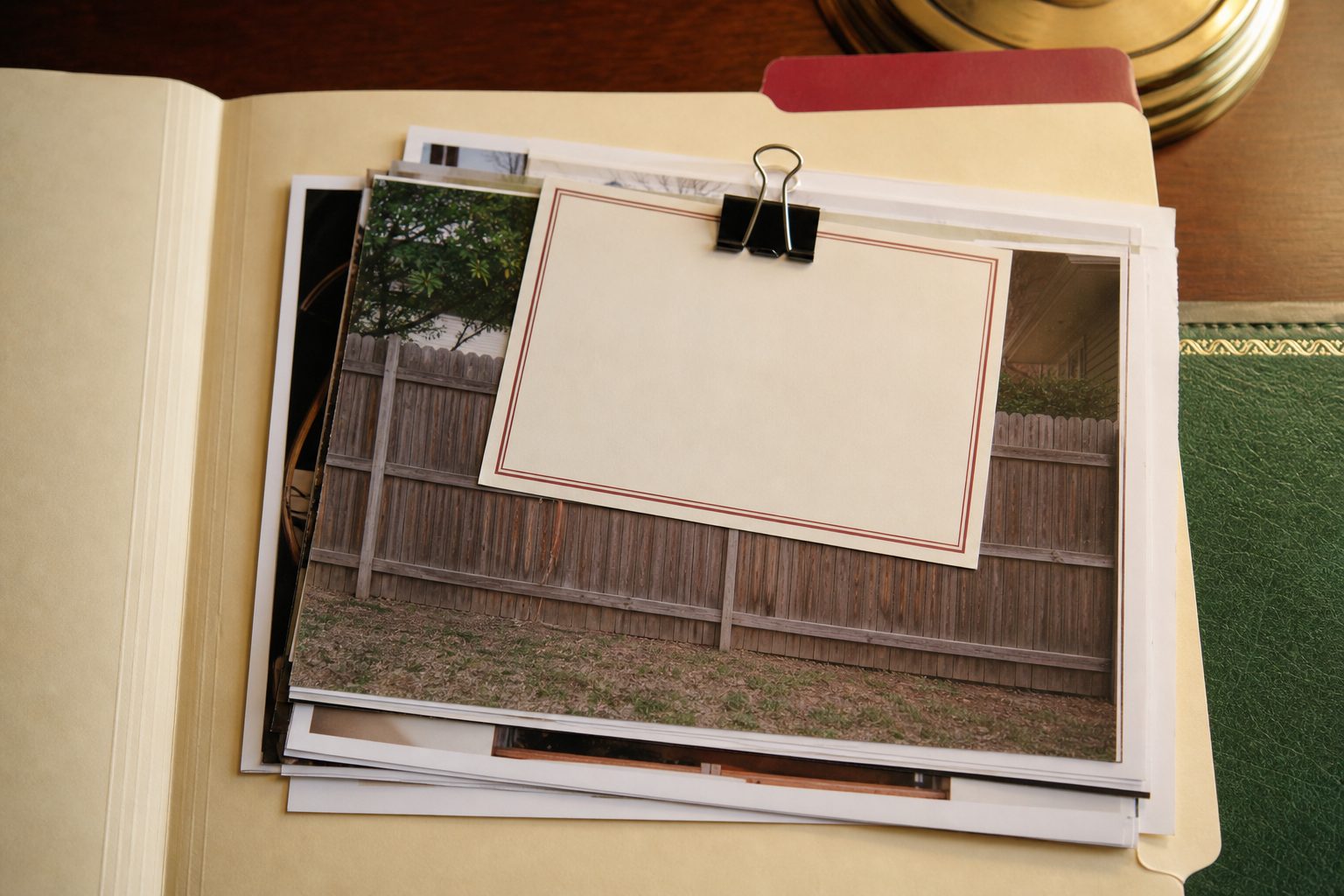
In preparation for the hearing, the manager assembles a hearing packet. This packet includes all documents generated so far: the initial complaint, inspection notes, photos, courtesy notice, owner's reply, extension letter, and the formal notice. Each item is date-stamped and arranged in chronological order. The packet is distributed to the board or committee members and, in most associations, to the owner in advance.
If the owner provides additional documentation, such as emails, contractor proposals, or historical photos, these are added to the packet. This ensures everyone at the hearing has access to the same information. Transparency and fairness are critical. No material should come as a surprise to the owner.
The Hearing and Deliberation
The hearing is usually held during a regular board or compliance committee meeting. The owner has the right to attend, speak, and present evidence. Some owners come prepared with paperwork; others simply explain their circumstances. Board members listen, ask questions, and consider any mitigating factors, such as previous violations, the owner's efforts to comply, or extenuating personal situations.
After hearing from both sides, the board deliberates in closed session. The decision is documented in writing. The board may decide to:
- Grant additional time to cure the violation.
- Impose a fine, to be waived if the violation is corrected by a new deadline.
- Refer the matter to legal counsel for further action, such as court enforcement.
- Determine that no violation exists, closing the file.
The written decision is mailed to the owner and added to the violation file. This document summarizes the board's findings, the evidence considered, and the next steps. A copy of the hearing minutes, with sensitive information redacted if necessary, is also filed.
See how HOACovenant handles this for community associations
Partial Cure, Re-Inspection and the Second Photo Set
In many cases, owners make partial corrections after the hearing. The owner at 123 Oak Lane removes one section of fence, but a remaining portion still exceeds the height requirement. The manager schedules a follow-up inspection, usually within a week of the new cure deadline.
The follow-up inspection is documented with photos taken from multiple angles. The manager notes which parts of the original violation have been cured and which remain. Measurements are taken again, and the results are compared with the requirements. All new evidence, photos, logs, and inspection notes, are added to the file, with clear labels indicating the date and findings.
If the cure is complete, the file can move toward closure. If the violation persists, a second notice or fine may be issued, depending on the association's policies. Each action is documented, and communication with the owner continues until the matter is resolved or forwarded to legal counsel.
This stage often determines whether the association will need to escalate further. Diligent documentation protects both the board and the owner, demonstrating good faith efforts on both sides.
Closing the File and What a Judge Would See in It
When the violation is completely resolved, the association closes the file. A closing entry is made, summarizing the steps taken: complaint received, inspection, notices sent, owner response, hearing, re-inspection, and final cure. All supporting documents stay in the file, photos, letters, hearing minutes, and logs. Some associations provide the owner with a closing letter, confirming that no further action is needed.
If the matter ever proceeds to court, a judge will review the entire file. The strength of the association's case depends on the clarity and completeness of this documentation. Judges look for evidence that the association followed its own procedures and acted reasonably. They expect to see date-stamped photos, copies of all correspondence, records of delivery, and minutes of any hearings.
Every step from the initial complaint to the closing entry forms a factual record. A well-organized violation file demonstrates that the association gave the owner due process and multiple opportunities to comply. This is the best protection against claims of unfair treatment or arbitrary enforcement.
Modern tools can make this documentation process easier. Systems that allow for photo evidence, date-stamped notices, and automatic tracking of cure deadlines provide a clear record for the board, the owner, and if necessary, a court. This is the approach supported by HOACovenant's violation logging and escalation features.