Start With What the Declaration and Statute Authorize
Every HOA board faces the same first step: check your governing documents. The declaration, bylaws, and rules tell you which remedies are on the table for a violation. Some declarations mention fines or suspension directly. Others only allow certain actions after a formal hearing or require notice periods for each step.
State law sets the outer boundary. Many states have statutes that say what penalties are allowed, how notice must be given, or how fines may accrue. These statutes often require an opportunity for the owner to be heard before a penalty is imposed. Some states cap the amount or frequency of fines or say what privileges can be suspended. A few states restrict self-help remedies or make them subject to specific procedures.
Boards should never start enforcement on "what you've always done." Take time to review your own documents and the most recent state law updates. This avoids wasted effort and possible liability if you step outside the limits set for your association.
Keep reading: Board Habits That Hand Owners a Selective Enforcement Defense
Fines: Ceilings, Accrual and Whether You Can Collect
Setting and Applying Fines
Fines are the most common remedy for routine violations like landscaping, pet, or parking infractions. Many declarations authorize the board to set a schedule of fines. This can be a flat fee for each violation or a daily, weekly, or monthly accrual until the issue is cured. State statutes frequently require that owners receive written notice of the violation and a chance to request a hearing before the fine starts.
Some documents limit total fines per incident. Others let fines build up until the violation is corrected. A few states restrict the amount of each fine or the total that can accrue in a given period. Boards should check both their documents and state law before setting or applying a fine schedule.
Collecting Fines and Their Effect
Collecting fines is not always simple. Many owners ignore small fines, especially if the board has no history of following through. Some states do not allow fines to become a lien against the property unless a court has validated them. In those states, boards may issue many fine notices with little practical result.
Even where fines can become a lien, collection depends on the willingness and ability of the owner to pay. Some associations offer payment plans or waive part of the fine if the violation is corrected quickly. Others let fines pile up, then seek payment at resale or refinance. The effectiveness of fines depends on collection policies and enforcement consistency.
Suspending Privileges: Amenities, Parking and Voting Rights
Amenity Access
Suspending access to common amenities, such as pools, gyms, or clubhouses, can motivate compliance. Many declarations allow suspension for delinquent assessments, but not all cover rule violations. Boards must confirm the authority to suspend and follow any required process, such as written notice and a hearing opportunity.
Operationally, suspending amenity access usually means disabling a key card, removing someone from a reservation list, or instructing staff or security to deny entry. Tracking suspensions and reinstatements adds work for managers or volunteers. Make sure the process is documented so errors do not lead to disputes.
Parking and Voting Rights
Some associations can suspend parking privileges. This works best where parking is assigned or controlled by the association. In communities with on-street city parking, suspension may be meaningless. Suspending voting rights is another tool, though it only motivates compliance when votes are scheduled or when owners value participation.
Boards should be cautious. Some states prohibit suspension of voting rights except for nonpayment of assessments. Others do not allow suspensions that would violate fair housing or due process requirements. Always review both declaration and statute before using this remedy.
Keep reading: When a Violation Notice Meets a Fair Housing Accommodation Request
Self-Help Abatement: Entry Rights and Charging Back the Work
When Self-Help Is Permitted
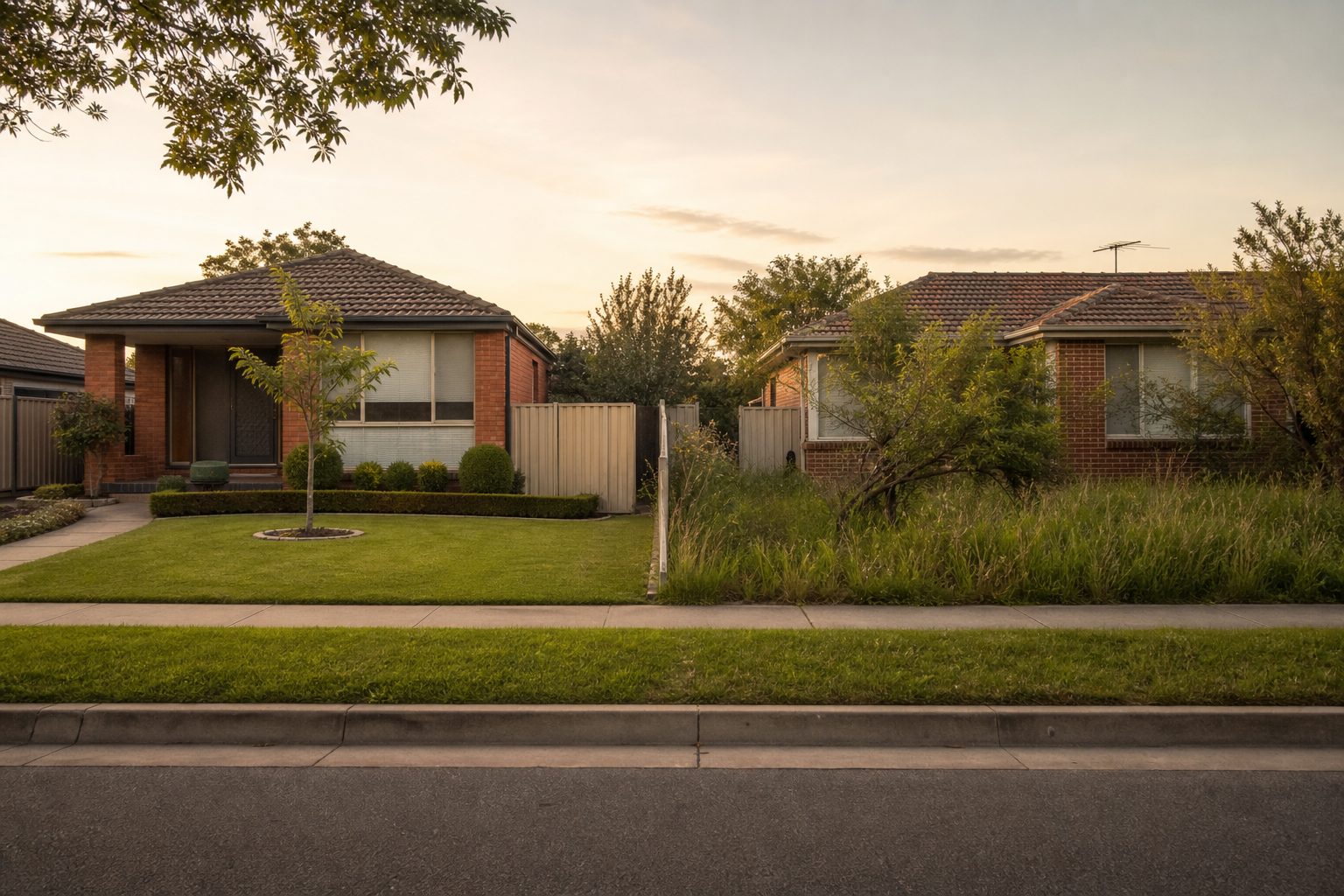
Self-help means the association fixes the violation directly, such as mowing an overgrown lawn or repairing a broken fence, then bills the owner for the cost. Not every declaration allows this. Where self-help is permitted, it is usually limited to situations that risk community safety, property values, or the association's own assets.
Most states require advance notice before the association enters private property. The declaration may spell out exactly when entry is allowed and what steps must come first. Emergency situations, like water leaks or fire hazards, may justify immediate action. Non-emergencies usually require written notice, a cure period, and clear documentation of costs.
Risks and Cost Recovery
Self-help carries risks. The board must document that the violation existed, that proper notice was given, and that the work was necessary and reasonable. Owners may dispute the need for the work or the amount charged. In some states, the cost can be added to the assessment account as a charge, but not all allow these costs to become a lien without court approval.
Self-help can escalate neighbor conflict, especially if the work is visible or involves personal items. Boards should weigh the cost and community impact before choosing this approach. Always keep detailed records and photo evidence of the violation and all communications.
Injunctive Relief, Small Claims and Full Litigation
Going to Court: Options and Costs
When fines and notices do not produce compliance, associations sometimes turn to the courts. The simplest path is small claims court, which handles lower-dollar disputes, often up to a set limit. This route is best for straightforward matters such as collecting unpaid fines or costs that are clearly supported by the documents.
For more complex or ongoing violations, boards may seek injunctive relief in higher court. An injunction is a court order directing the owner to do something (like remove an illegal structure) or stop doing something (such as running a business from home). Filing for an injunction usually requires legal counsel, formal pleadings, and more time and expense.
Litigation Risks and Practicality
Litigation is time-consuming and can cost thousands in legal fees, even for simple cases. The board must weigh the seriousness of the violation against the load on volunteers and the association's budget. Even when the association prevails, collecting on a judgment may take further effort. Owners may appeal or simply refuse to pay, requiring follow-up collection steps.
Court action can strain neighbor relations and set adversarial precedents. Some boards use litigation only as a last resort or for violations that threaten safety, property values, or the association's integrity. For many day-to-day violations, the cost and time of court action outweigh the benefit.
See how HOACovenant handles this for community associations
Attorney Fee Shifting and Who Ends Up Paying
Many declarations and state statutes allow the prevailing party in enforcement actions to recover attorney fees. The theory is that the loser pays both sides' costs. In practice, this does not always happen automatically. Courts may reduce or deny fees if they think the association's charges were excessive or if the violation was minor.
Fee recovery provisions can motivate owners to settle early, but they can also backfire. If the board loses, the association may owe the owner's legal fees. This risk should be part of any enforcement decision. Boards need to estimate not just their own costs, but the chance that they may be ordered to pay the other side.
Some associations purchase insurance that covers defense costs for board actions, but these policies often exclude enforcement disputes between the association and its members. Volunteers should understand what their policy covers before starting any legal action.
Matching the Remedy to the Violation Type
Routine Violations
For most routine issues, overnight parking, trash cans left out, minor landscaping, fines with clear notice and cure periods are the first line of enforcement. These are easy to document, require less board time, and usually prompt compliance. If fines are ignored, suspending privileges may add pressure, provided your documents allow it.
Major or Repeated Violations
For issues that affect safety, property values, or the association's assets, such as unapproved construction, chronic nuisance, or threats to health, stronger remedies may be needed. Self-help works when the violation can be fixed by outside contractors and the documents support entry. For chronic offenders, litigation may be the only path, but boards should weigh the cost, time, and likelihood of fee recovery before filing suit.
Documenting and Escalating
No remedy works without good records. Clear violation logs, photo evidence, and a trail of notice letters protect the association if enforcement is challenged. Consistency and transparency reduce claims of selective enforcement. Tracking cure deadlines and escalation steps keeps the process moving and avoids missed opportunities to resolve issues early.
Many boards now use software to log violations, attach photos, and automate notice letters and cure tracking. These tools help volunteers and managers stay organized across multiple properties and violations, reduce paperwork, and provide defensible records if a dispute reaches court.