Statutory Fine Ceilings in Florida, Nevada, Arizona and Beyond
HOA boards and managers must know the statutory limits on fines in their state. These limits shape how associations can enforce covenants and deter rule violations. Some states set specific dollar ceilings per violation or per day, while others remain silent and leave the amount to the governing documents, provided the penalty is reasonable.
In Florida, the law caps fines at $100 per violation, and a continuing violation can total no more than $1,000 before further board action is required. Arizona allows up to $250 per violation unless the declaration allows more, but requires reasonable proportionality. Nevada restricts associations to a maximum fine of $100 per violation unless the declaration allows a higher amount. Texas does not set a statewide dollar cap but requires fines to be "reasonable," and many declarations set figures between $25 and $100 per incident.
California law does not set a numerical limit, but it does require that fines be reasonable and in line with a published schedule adopted by the board after owner input. In Georgia, there is no statewide fine ceiling, but the penalty must be in the association's governing documents and reasonable for the type of infraction.
The actual fine schedule should be published, and owners must be given access to the list as part of their right to see association rules. Boards in capped states must take care not to exceed the prescribed limits, as overcharging fines can make enforcement actions unenforceable if challenged.
Keep reading: State Laws Now Overriding CC&R Yard, Solar and Rental Rules
Days of Written Notice Owed Before a Fine Can Be Levied
Notice periods are critical for due process. Most states require that an owner receive a written violation notice before a fine is imposed, with a prescribed minimum number of days to respond or correct the issue.
Florida requires at least 14 days' notice before a fine hearing. Arizona sets a 21-day written notice period before a penalty can be imposed. Nevada mandates 30 days' written notice to the owner to cure the violation or request a hearing before a fine is assessed. In Texas, the law requires at least 30 days' advance written notice, except for certain health or safety issues, where a shorter period may apply.
California Civil Code requires a written notice at least 10 days before any penalty is imposed. The letter must include the nature of the violation, the proposed fine, and instructions for contesting or curing. Georgia has no statewide rule, but most declarations call for at least 10 days' notice, and owner challenge rights must be clear in the notice.
Notice letters must specify what rule was violated, describe the conduct, and state the deadline for response. The documentation trail starts here and is fundamental for any future collection or legal action.
Hearing Timelines and Written Decision Deadlines
Once a notice is sent, owners may have a right to a hearing before fines are enforced or collected. Statutes spell out the timeline for hearings and how soon the board must render a decision.
In Florida, if an owner requests a hearing, it must be scheduled within a reasonable time, and the committee's written decision is required after the hearing. Arizona law gives owners the right to request a hearing within the notice window, and the board must provide a decision within 10 business days after the hearing. Nevada requires that any hearing be held within 30 days of the owner's request, with a written decision issued promptly. California boards must schedule a hearing at least 10 days after the request, and the written outcome must be delivered within 15 days.
Some states, such as Texas and Georgia, rely on the association's governing documents or bylaws to set these hearing and decision timelines. Still, best practice is to document the date of the hearing request, actual hearing, and the board's final written decision, as this chronicle can be needed in a dispute.
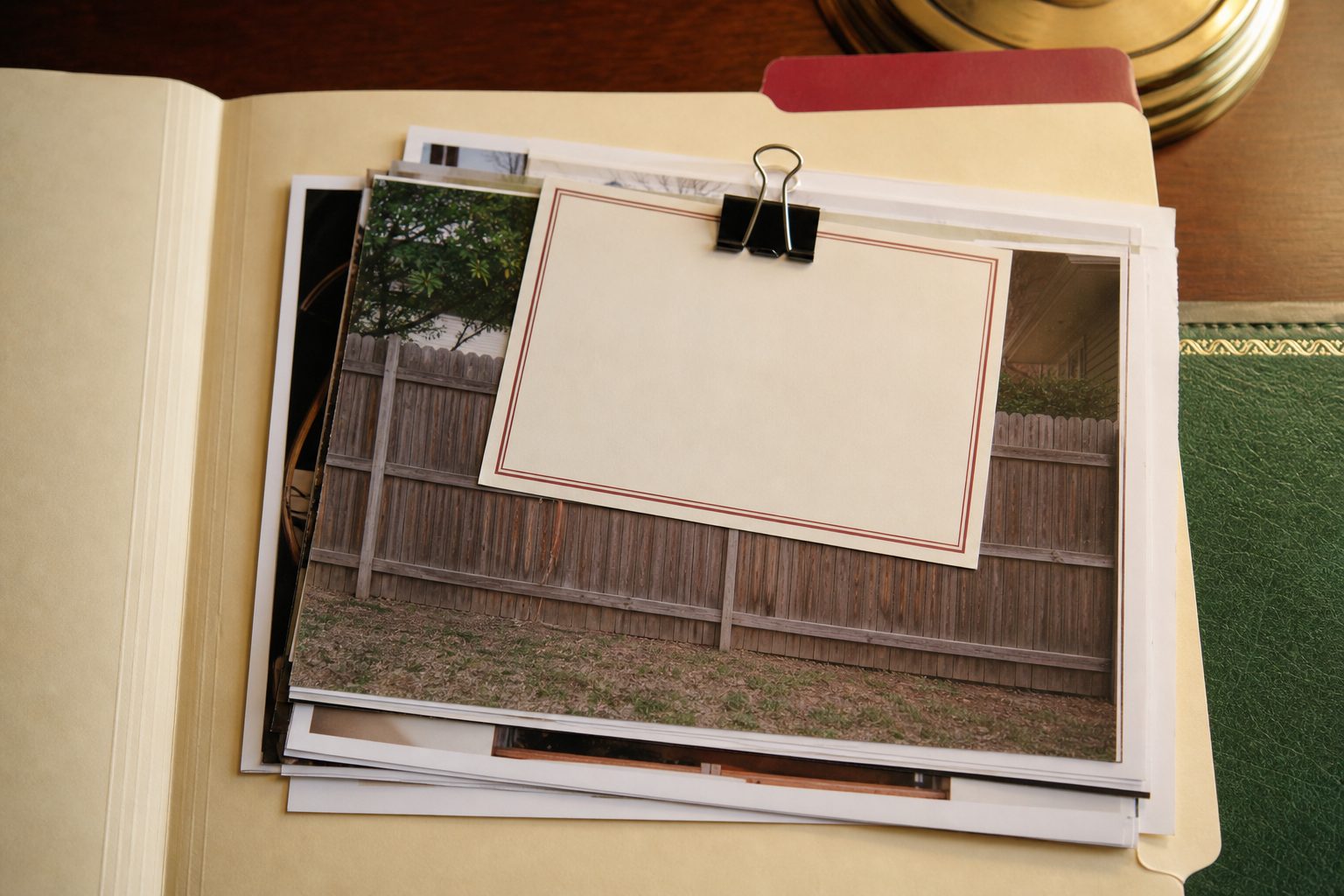
Keep reading: Anatomy of a Fence Violation File, First Notice to Cure
Typical Cure Windows by Violation Type
Cure windows are the time periods offered to owners to correct a violation before a fine is charged or escalated. These windows vary by state and can also depend on the nature of the violation.
In Florida, the law provides 14 days between notice and hearing, which often acts as the cure window for first-time violations. Arizona's 21-day notice period doubles as the time to cure, unless it is a repeat offense. Nevada mandates 30 days to cure most violations, but allows shorter periods for urgent health or safety issues. California typically gives 10 days for a first offense, with the option to shorten the window for repeat or urgent matters.
Texas and Georgia usually defer to the association's enforcement policy, but industry practice is to allow at least 7 to 14 days to cure before a fine is applied. For serious violations like major architectural changes or safety hazards, boards may shorten the window or, in some cases, act immediately if the declaration allows.
Routine violations such as landscaping, vehicle parking, or minor architectural issues commonly see 7 to 14-day cure periods. More severe or repeated violations may prompt a shorter window or immediate action to protect health or safety.
Lien Recording Thresholds and Assessment Priority
Fine collection does not always stop with letters and hearings. If fines go unpaid, many associations have the right to record a lien on the owner's property. State law often sets a threshold, either a minimum dollar amount or a mix of fines and other charges, before a lien can be filed.
In Florida, associations may record a lien once assessments or fines are 45 days past due, provided the total exceeds $1,000 and notice requirements are met. Arizona allows liens for unpaid assessments, but fines alone cannot usually form the basis for a lien unless the declaration expressly permits it. In Nevada, associations can record a lien for any unpaid assessment, plus related fines, after 30 days' delinquency, but must follow detailed notice and hearing procedures.
California law permits recording a lien for unpaid regular or special assessments, but not for fines alone. Fines must be collected separately unless the declaration states otherwise. Texas allows liens for unpaid assessments, but not solely for fines. Georgia's rules are similar: regular assessments are lienable, but fines may only be included if the governing documents state so and certain notice steps are followed.
Assessment liens are often "super liens" in some states, meaning they take priority over most other claims except for tax liens and first mortgages. Knowing when and how to escalate from a fine to a lien is crucial, as errors in this process can lead to expensive reversals if challenged in court.
See how HOACovenant handles this for community associations
Statutes of Limitation on Covenant Enforcement
Every state sets deadlines for pursuing covenant violations. These statutes of limitation define how long an association has to act once a violation is discovered or should have been discovered. Missing these windows can bar enforcement or collection forever.
Florida sets a five-year limitation for most written contract actions, which includes HOA covenant enforcement. Arizona gives associations six years to file suit for covenant violations. In Nevada, the window is generally three years for most deed restriction enforcement actions. California also applies a five-year statute for written obligations, covering most CC&R enforcement.
Texas and Georgia follow a four-year limitation for written contracts. However, if the violation is ongoing, each day may be treated as a new breach, effectively resetting the clock for purposes of enforcement as long as the issue continues. Still, courts may look for evidence that the association did not "sleep on its rights" and acted promptly after learning of a violation.
It is best practice for boards to track the date a violation is observed, the date the owner is notified, and any actions taken. This timeline can be vital if enforcement is challenged or delayed, especially in older communities or those with high turnover.
Record Retention Periods and Owner Inspection Rights
Documented enforcement actions must be retained for inspection and possible legal defense. States set retention minimums for association records and guarantee homeowners the right to review them, with some limits.
Florida requires associations to maintain official records, including fine notices and hearing results, for at least seven years. Arizona mandates record retention for one year after the fiscal year in which they were created, but many associations keep enforcement records longer for risk management. Nevada and California both require at least five years of retention for most records. Texas law calls for at least four years, but longer retention is common for enforcement files. Georgia has a basic three-year retention requirement, but keeping documents for the duration of any dispute is advised.
Owners in nearly every state have the right to inspect association records, including violation letters, hearing outcomes, and fine schedules. Some states allow redaction of personal or sensitive data, but the core enforcement documents must be accessible to any owner upon reasonable request. This is both a transparency obligation and a safeguard against claims of unfair enforcement.
Organized, accessible records support fair and consistent enforcement. They also show compliance with state notice, hearing, and decision requirements, critical if a violation ends up in mediation or court.
Boards and managers are often responsible for keeping detailed logs, photo evidence, dated letters, and cure tracking. When paper files, emails, and spreadsheets become difficult to manage, a digital system purpose-built for covenant enforcement, especially one that integrates photo documentation and tracks notices and cures, can help maintain compliance and reduce risk.