Community association enforcement

Covenant enforcement your board can defend, from the first photo to the closed file

HOACovenant records each violation against the lot, the covenant article and the date the photograph was taken, then carries it through courtesy notice, first notice, second notice and cure. When an owner disputes a fine two years later, the whole file prints in the order a hearing panel expects.

  • In service at 218 US associations across 31 states
  • 41,600 violation files opened, tracked and closed
  • Most boards are logging violations the same evening
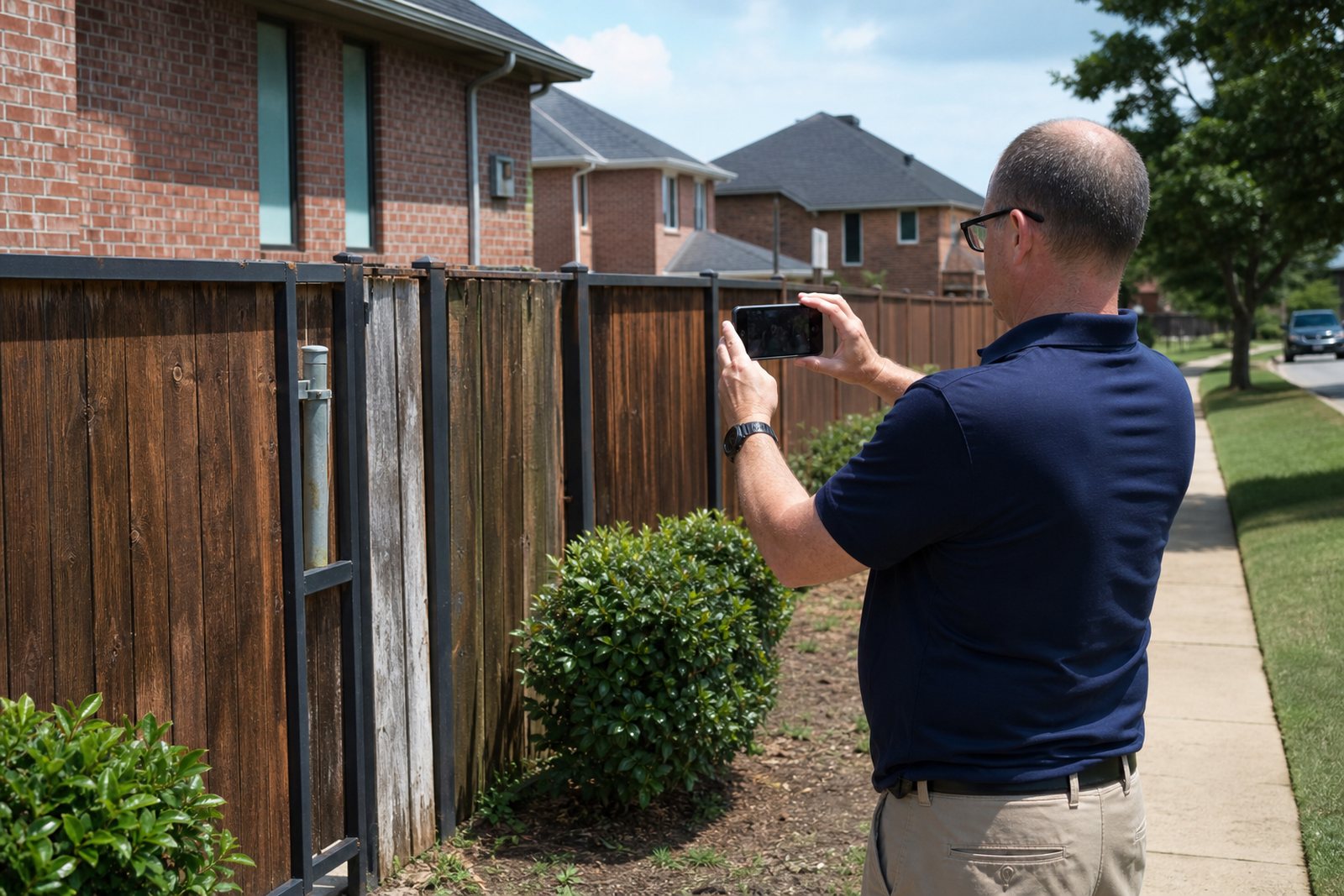
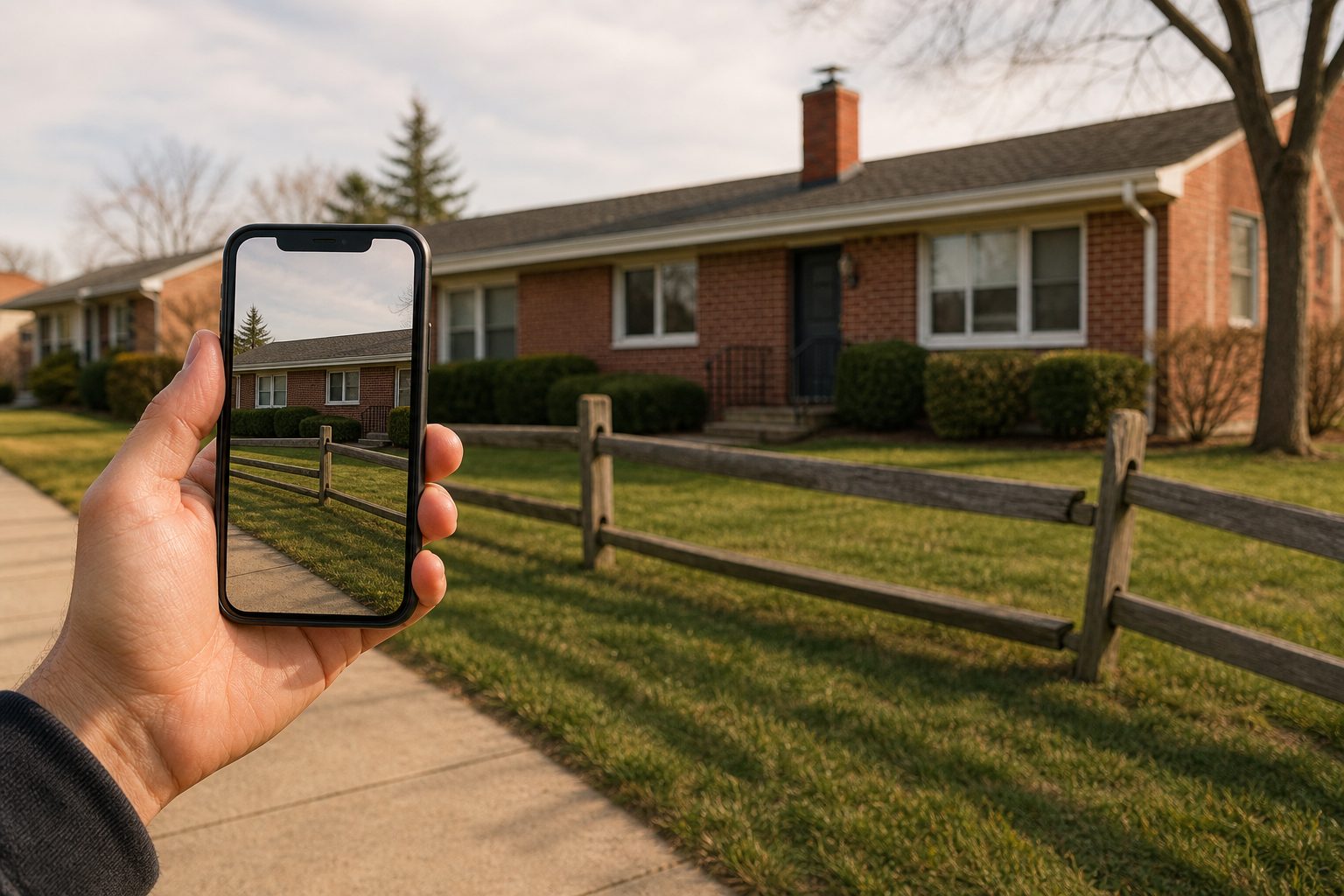
An HOA board volunteer photographing a fence issue on a phone while walking a suburban street of brick houses and trimmed lawns
A walk of the community becomes an evidence file: address, covenant article, photograph, time stamp.

What goes wrong

The fine is never the hard part. Proving the file is.

Most volunteer boards enforce carefully and still lose the argument, because the record lives in a group text, a shoebox of printed letters and one director's camera roll. Here is what that costs a community over a single fiscal year.

The photo nobody can find

The trailer was parked on the driveway for eleven weeks. The owner says it was two days. The picture that would settle it sits in a former director's phone, and that director moved to Tampa in April.

$3,150Median outside counsel spend on one contested fine
Two lots, two answers

Lot 214 got a courtesy note about the same peeling trim that earned Lot 87 a $50 fine. Nobody meant to treat neighbors differently. Without a single log, selective enforcement is the easiest claim an owner can make.

7 of 10Fines that fail at hearing on inconsistency, not merit

Letters retyped from scratch

Every second notice starts as a copy of last month's Word file. The dates get missed, the wrong covenant article gets cited, and the cure deadline says a Sunday that already passed.

9.5 hoursBoard time lost to letter drafting each month

Cure windows nobody watched

Thirty days ran out in March. Nobody re-inspected until July, so the file shows a violation that sat open for four months with no board action. That gap is the first thing an owner's attorney reads aloud.

38%Open violations that pass their deadline unchecked

How the file is built

Four steps, and the record writes itself

The board still decides what is a violation. HOACovenant only makes sure that the decision is dated, cited, photographed and carried to an ending.

  1. Log it where you stand

    Open the community roster on your phone, tap the lot number, photograph the condition, and pick the covenant article from your own recorded declaration. The address, the date and the compass direction of the shot are attached before you walk to the next mailbox.

  2. Send the notice that comes next

    The system knows whether this lot has an open history for the same article. It drafts the courtesy note, the first notice, the second notice or the hearing invitation accordingly, and it puts the photograph, the article text and the cure deadline in the letter without retyping.

  3. Watch the cure clock

    Each notice starts a countdown you set in the association's own governing documents. Three days before the deadline the board gets a re-inspection reminder with a map of everything due that week, so a single walk closes six files.

  4. Close it or take it to hearing

    A follow up photograph closes the file with a cured stamp and the date. If the condition persists, one button assembles the hearing packet: every notice, every photograph, every delivery record, in order, ready to hand to the panel and the owner.

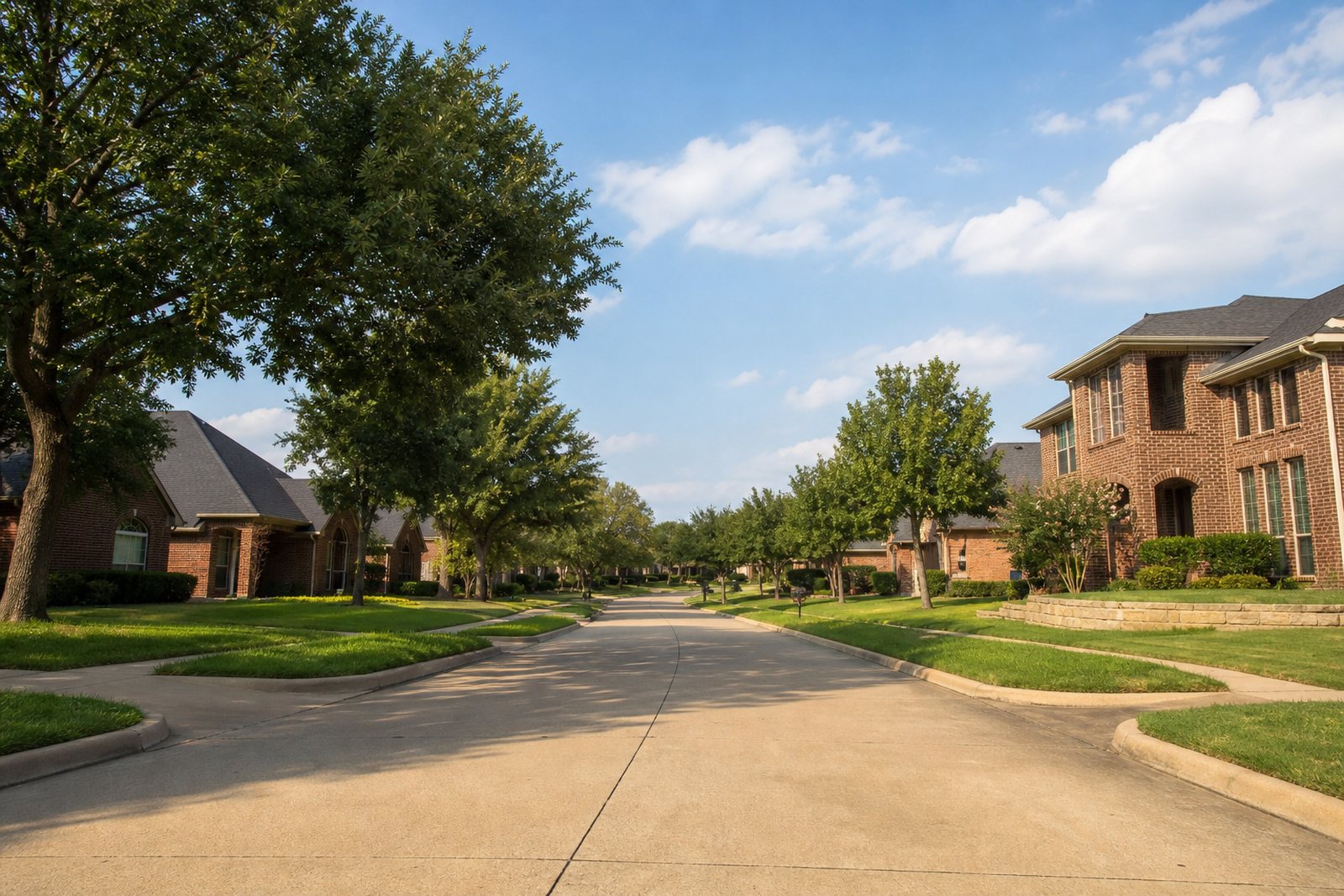
A suburban American neighborhood street with brick houses, trimmed lawns and mature trees on a clear afternoon
One drive through the community produces a dated inspection round, not four unrelated phone galleries.

Inside the product

Built around the way associations actually enforce

Nothing here is borrowed from a generic ticketing tool. Every screen uses the vocabulary of your declaration, your rules and regulations and your state's notice requirements.

Dated photo evidence, tied to a lot

Every photograph is stored against the lot number, the covenant article and the moment it was taken, with the original file kept untouched. Reprint it two years later and the date on the page is the date on the camera.

Your declaration, article by article

We load your recorded CC&Rs, bylaws and rules once, then split them into citable articles with their own fine schedules. Enforcement staff pick a clause instead of paraphrasing one from memory.

Escalating notices that write themselves

Courtesy, first, second and hearing letters follow your association's own ladder and language, and the level is chosen by the file's history rather than by whoever is drafting. Print for certified mail or send by email with a delivery record either way.

Cure clocks and re-inspection rounds

Set the cure period once per violation type and the countdown runs on its own, including weekend and holiday handling. Each Friday the board sees one re-inspection list, sorted by street, with last week's photo beside each address.

Consistency check across the community

Before a fine is issued, the file shows every other lot cited under the same article in the past 24 months and what happened to each. A board that can see its own pattern stops creating a selective enforcement argument by accident.

Hearing packets in one file

Choose a lot, choose a date range, and the packet builds itself: chronology, notices, photographs, delivery proof and the board's own minutes reference. Owners get the same copy the panel gets, which ends most arguments before the meeting.

What changes

Numbers our associations report after two full quarters

These are medians from 218 communities running a complete enforcement year on HOACovenant, measured against the twelve months before they started.

83%

Cured before a fine is ever voted

A courtesy note with a photograph attached settles most conditions in the first cure window. Owners argue with a paragraph. They rarely argue with a picture of their own side yard.

11 min

From walking past it to notice sent

Logging, citing and generating the letter happens in one sitting, usually at the kitchen table the same night. The old path ran to three evenings and a trip to the post office.

4.5 hrs

Given back to every board meeting

The enforcement report is generated, not assembled. Directors read a one page summary of what opened, what cured and what is due, instead of spending half the agenda reconstructing history.

7 yrs

Of continuous, exportable record

Files stay complete through every board turnover and every change of management company. When a new secretary takes office in March, the community's memory is already sitting in the system.

From the boards themselves

Directors, secretaries and managers on the record

Three communities that let us name them, in their own words, about the part of the job nobody volunteers for.

Board presidentLot count 312

We had a homeowner threaten to sue over a fence stain fine. I printed the file: four photographs, three notices, the certified mail receipt and the article he signed at closing. His attorney called back the next day and the whole thing ended in nine minutes.

Dana Whitcomb Board president, Kestrel Ridge Homeowners Association Frisco, Texas
Community manager9 associations

I manage nine associations with one part time inspector. Before this, every board wanted its own letter format and I kept nine folder trees. Now each community keeps its own language and I drive one route on Tuesday with one list on the phone.

Marcus Ellery Community manager, Sunbelt Association Services Chandler, Arizona
Board secretaryLot count 176

The consistency view changed how our board votes. We found we had cited eleven lots for the same trash can rule and quietly forgiven four of them. We fixed that in one meeting, and our attorney told us it was the most useful hour we had spent all year.

Rosalind Teague Board secretary, Colton Farms Community Association Cary, North Carolina
218 US community associations enforcing on HOACovenant
41,600 Violation files opened and carried to an ending
96% Of boards still on the product after twelve months

Plans and prices

Priced for volunteer budgets, not enterprise ones

One flat monthly figure per association. Unlimited directors, unlimited photographs, unlimited notices, because charging a board per letter would be a strange way to encourage consistent enforcement.

Plan oneUp to 120 lots

Small Association

$39 per month

For self managed communities where two or three volunteers do the walking and the writing.

  • Up to 120 lots on the roster
  • Unlimited violation files and photographs
  • Courtesy, first and second notice templates
  • Cure clocks with weekly re-inspection lists
  • Hearing packet export as PDF
  • Email support, answered within one business day
Request a demo
Plan threePortfolio

Management Company

$199 per month

For managers carrying a portfolio of associations, each with its own documents and its own fine ladder.

  • Everything in Community
  • Unlimited associations and unlimited lots
  • Separate declarations, letter language and branding per client
  • One inspection route across several communities
  • Staff roles for inspectors, coordinators and account managers
  • Client ready enforcement reporting for every board packet
  • Onboarding call and document loading for each new association
Request a quote

Every plan is billed monthly in US dollars and can be cancelled at any time, effective at the end of the month you cancel in. There is no setup fee, no per notice charge and no annual contract. If your board votes to stop, you export the complete enforcement history first, and the file stays readable without our software.

Questions boards ask us first

Straight answers before you bring this to the board

If your question is not here, write to us and a person who has sat through a violation hearing will answer it.

Notice and Cure

Field notes from the covenant enforcement magazine

Notice and Cure is where we write down what the files teach us: how to photograph a condition so it survives a hearing, what a notice has to say before anyone mails it, and which remedy is worth the trouble it costs.

Read all nine reports in Notice and Cure

Talk to us

Bring us the violation that is still open

Tell us about the file your board is arguing about right now: the fence, the boat, the trash cans, the roof color nobody approved. We will show you what that same file looks like when it is dated, cited and finished.

  • Demos run 25 minutes on a weekday evening, because that is when boards meet.
  • Bring your declaration and we will cite a real article from it during the call.
  • No sales sequence afterwards. One reply, one follow up, then silence unless you ask.

A named person replies within one business day, usually the same evening. Nothing is passed to a call center.

Prefer plain email? Write directly to jimenezjulien42@gmail.com.