The Covenant Section Number and Its Exact Language
Every HOA covenant violation notice starts with the rule itself. This means citing the relevant section, paragraph, or article number from your governing documents. Do not paraphrase or summarize the covenant. Instead, quote the exact language as written in the declaration or rules. For example, if the violation concerns exterior paint color, include the full sentence or section that addresses exterior modifications.
This precision matters. Owners need to see exactly which rule the board believes they have not followed. Courts and hearing panels look for this, too. It prevents confusion, arguments about interpretation, and claims that the board acted arbitrarily. When you prepare the notice, double check that the cited section really covers the issue. Some covenants overlap, especially on topics like lawn care or parking, but you still need the most direct citation.
Do not rely on general statements like "failure to maintain property." If the documents list specific standards or examples, use them. When your HOA has adopted rules in addition to the governing covenants, cite both if both apply. If a rule was amended recently, reference the current version and include the adoption date if possible. This makes your notice more defensible if challenged.
Keep reading: Fines, Suspension, Self-Help or Suit: Choosing an HOA Remedy
Date, Time and Location of the Observation
Documenting when and where the violation was observed is not just good practice, it is often required. Record the date, and when possible, the time of the observation. This allows the owner to know exactly which incident triggered the notice. If your association enforces seasonal rules, such as holiday decorations or watering restrictions, the date can be the crucial detail.
The location should be as specific as possible. For a single-family home, use the street address and, if needed, a description like "front yard" or "driveway." In multifamily buildings, include the unit number and any other identifying details. If the violation occurs in a common area but is attributed to a specific unit, such as personal items left in a hallway, note both the common element and the responsible party's address.
If you have photographic evidence, note in the letter that a photo was taken and reference the date and time on the image. Photos are powerful, but only if the timing is clear and matches the written report. When violations are ongoing or repeated, list each relevant date or describe the observed pattern, but always be clear what prompted this notice.
A Plain Description of the Condition, Not a Conclusion
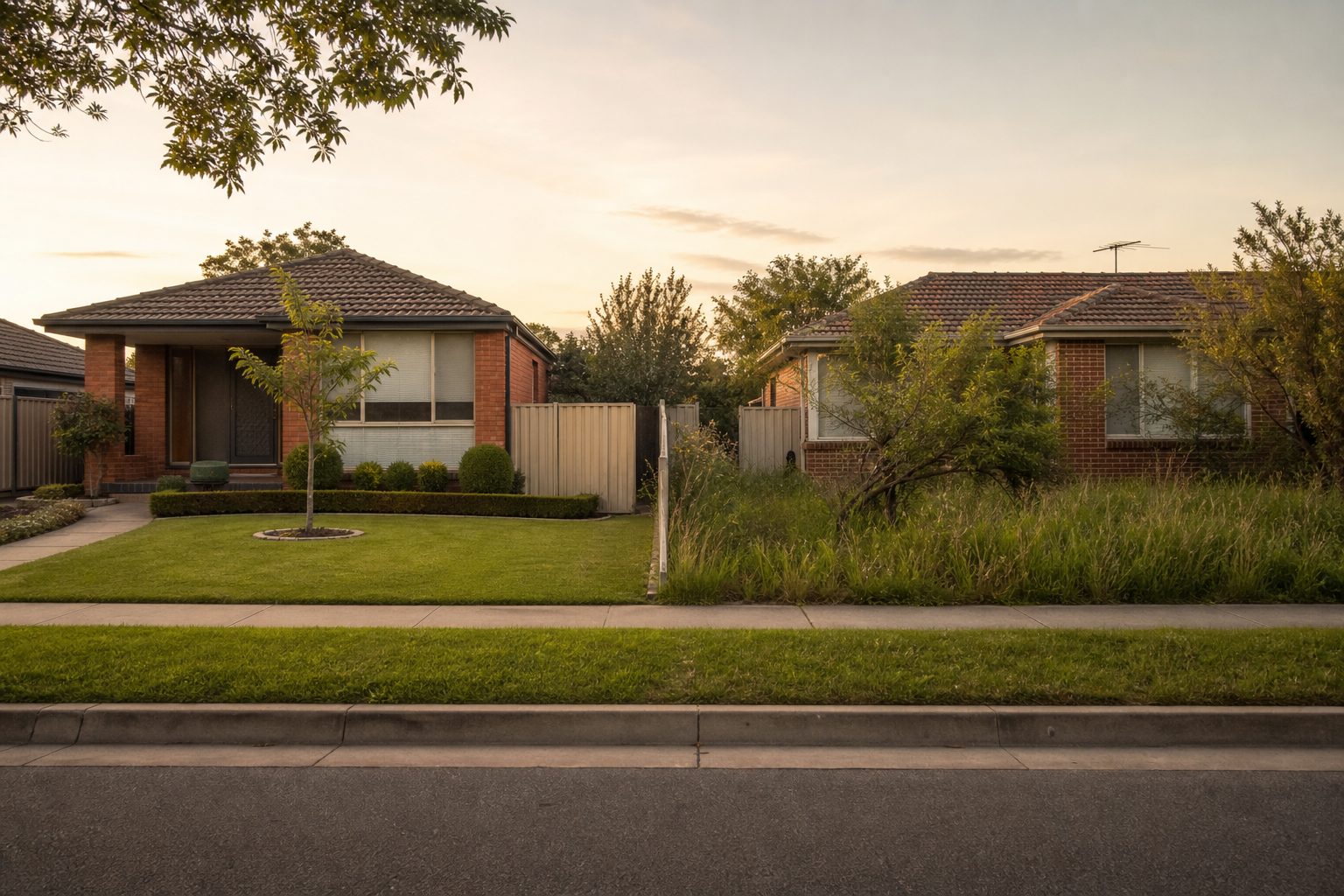
Stick to the facts when you describe the violation. Avoid language that accuses, blames, or jumps to conclusions. Do not write, "You have neglected your yard." Instead, state what was seen: "On May 10, 2024, the grass in the front yard measured approximately 10 inches high, with visible weeds present along the walkway."
Objective, detailed descriptions help everyone. The owner sees exactly what must be fixed. The board can show it acted fairly and without personal bias. If the dispute ever goes to a hearing or court, the association's credibility depends on these details. Describe the color, size, location, and duration of the condition. For vehicle violations, note the make, model, color, and plate if visible, along with where it was parked.
If the issue relates to noise, describe what was heard, for how long, and by whom, instead of stating "disturbing the peace." For pets, describe the animal, the behavior, and the time. If the violation is about unauthorized construction, list the materials observed, the size of the structure, and its location on the property. The goal is to create a record that anyone, reading it later, could visualize the same situation you saw.
Keep reading: Board Habits That Hand Owners a Selective Enforcement Defense
The Cure Deadline and What Counts as Cured
Every notice must tell the owner how long they have to fix the violation and exactly what they must do to comply. The cure period is usually set by your governing documents or state law. In most states, this period ranges from a few days to 30 days, depending on the type of violation and whether it poses a health or safety risk. If your documents are silent, a reasonable deadline is still necessary to show fairness.
Spell out the deadline clearly. Give the date by which compliance must occur, not just "within 10 days." For ongoing violations, specify if daily compliance is required or if a specific action completes the cure. If the violation can be remedied by a single act, such as removing a prohibited item, say so. For conditions that require time, like lawn restoration or architectural changes, state whether partial compliance is acceptable and what proof is required.
Describe in plain terms what counts as a cure. For example: "The grass must be mowed to a height not exceeding 6 inches, and all weeds removed from the walkway." If the cure requires board approval (for example, for paint colors or modifications), include instructions on submitting a request. If fines accrue daily until cured, make this clear in the cure terms, referencing the fine schedule section of the notice.
Hearing Rights and How the Owner Requests One
Most states and many association documents require that owners be given a chance to be heard before fines are assessed or enforcement proceeds. The violation notice should include a clear statement about the owner's right to request a hearing. Use plain language. For example: "You have the right to request a hearing before the board to discuss this notice."
Outline how to request a hearing, including deadlines. Specify whether the request must be in writing, who it should be sent to, and the mailing address or email to use. If your board meets on a regular schedule, state the next available hearing date or the process for scheduling. Make sure to note any time limits (such as "within 10 days of the date of this notice") and what happens if the owner does not respond.
Transparency matters here. If association policy allows for hearings by committee or by the full board, explain this. Include whether the hearing will be open or closed, and what evidence or witnesses the owner may bring. If the hearing is held remotely, give clear instructions for participation. All of these details help preserve due process and avoid later disputes about fairness or notice.
See how HOACovenant handles this for community associations
The Fine Schedule and the Meeting That Adopted It
Owners must know what financial penalties they could face. Attach or include a summary of the association's fine schedule, showing the amounts for first and repeat offenses, as well as any daily accruals. The schedule should match what was adopted by the board or membership in accordance with your governing documents and state law.
State when and how the fine schedule was adopted. For example: "These fines were adopted by the board at the regular meeting on March 15, 2023." This shows that penalties are not being invented on the spot and that all owners had a chance to know the rules. If your association's fine schedule was mailed to all owners, reference the date it was distributed as additional support.
In some states, you must give a copy of the fine policy with each violation notice. Even if not required, this prevents confusion and claims of unfairness. If the fine schedule changes from year to year, specify which version applies to the current violation. For complex policies, such as escalating fines for repeated violations, explain how the escalation works and when the next increase would occur.
If your association offers waivers or reductions for first-time offenders or for prompt compliance, include that information. Owners are more likely to respond quickly when they see a path to resolve the issue without severe penalties. Always keep the fine policy consistent and transparent.
Delivery: Certified Mail, Posting, Hand Delivery and Email
How you deliver the violation notice matters as much as what it says. Many governing documents and several state statutes require that official notices be sent by certified mail, return receipt requested. This provides proof that the owner received the notice and started the cure period. If the owner lives off-site, use their mailing address of record.
Some associations also post a copy of the notice on the property, especially for rental units or absentee owners. Note in your records if the notice was posted, including the date, time, and location. For hand-delivered notices, have the person delivering sign and date a statement that the letter was delivered personally, and if possible, have a witness.
Email is becoming more common, but only use it if your governing documents or state law specifically allow for electronic notice. If you use email, request a read receipt and keep a copy in the association's files. When using multiple methods, state in the notice how it was delivered: "This notice was sent by certified mail and posted at your unit door on June 2, 2024." For owners who claim they did not receive a notice, these details can make or break a dispute.
Always check your documents and state law before choosing delivery methods. Some states require multiple attempts or allow owners to opt into electronic delivery. In all cases, prompt and documented delivery ensures the cure period is clear and enforceable.
Attachments, Signature and the Copy That Stays in the File
Every violation notice should be a complete packet. Attach supporting documents as needed, such as photographs of the violation, a map or diagram for location clarity, and the full current fine schedule. If you refer to another policy or rule, include it or explain where the owner can access it. This avoids claims that information was hidden or incomplete.
Sign the notice with the name and title of the person authorized to send it, usually the property manager or board secretary. Include a contact phone number or email for questions. A typed signature may be acceptable, but a physical signature adds a personal touch and shows accountability. Date the notice the same day it is prepared and mailed or delivered.
Keep a complete copy of everything sent, including the cover letter, attachments, and any delivery receipts. File these in the owner's association file, not just in a general violations log. If your system is digital, ensure that all attachments and delivery confirmations are uploaded and labeled with the correct date and property address. This recordkeeping protects the association in case of disputes, challenges, or legal actions later.
Many boards find that using a structured tool for violation logging, attaching photo evidence, generating escalating notice letters, and tracking cures reduces errors and saves time. Systems designed for HOA enforcement make it easier to document each step and keep a reliable archive of every notice sent, such as the features offered by HOACovenant.